


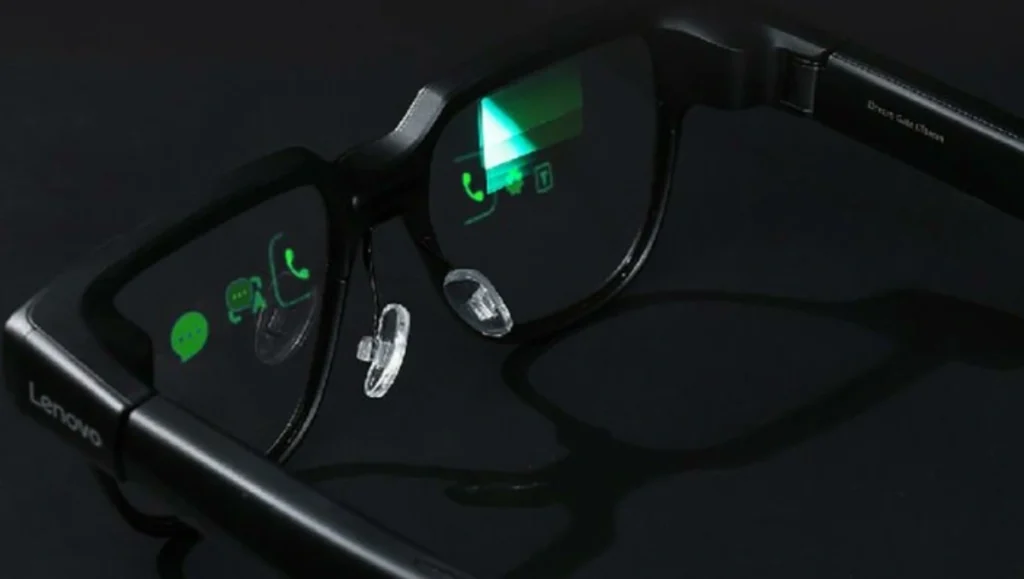
In a bold move to redefine the smart eyewear landscape, Chinese tech giant Lenovo has unveiled its groundbreaking Visual AI Glasses V1 in its home market. Tipping the scales at a featherlight 38 grams, these next-generation wearables have emerged as serious contenders in the competitive smart glasses arena, positioning themselves as a lightweight alternative to Meta’s popular Ray-Ban offerings.
The Visual AI Glasses V1 represent Lenovo’s first major push into AI-powered smart eyewear, and the company appears to have made some strategic design choices that set them apart from competitors. While Meta’s Ray-Ban smart glasses weigh approximately 48-50 grams, Lenovo has managed to shave off nearly 25 percent of that weight, making their glasses notably lighter and potentially more comfortable for extended daily wear.
Display Technology That Stands Out
At the heart of the Visual AI Glasses V1 lies an innovative display system featuring micro-LED panels paired with resin diffraction waveguide optics—a first for consumer wearables, according to Lenovo. The glasses boast an impressive peak brightness of 2,000 nits, surpassing the 1,500-nit displays found in competing Rokid glasses. While they don’t quite match Meta’s Ray-Ban Display glasses’ claimed 5,000-nit output, the 2,000-nit brightness should provide excellent outdoor visibility, a critical feature for wearable technology.
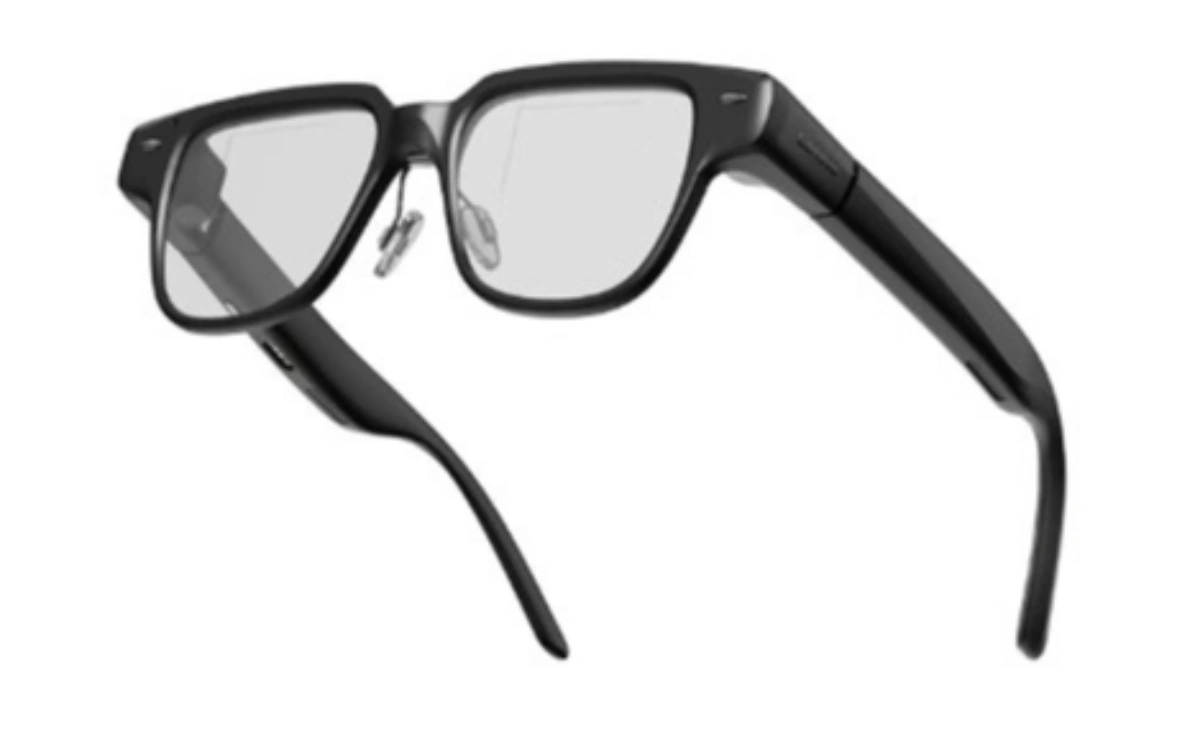

The ultra-thin 1.8mm lenses incorporate both lenses with micro-LED displays that project green-coloured information, similar to technology used in Amazon’s delivery agent glasses. Users can choose between monocular and binocular viewing modes depending on their needs, with a 15×11mm eye-box range that maintains stable visuals even during movement.
AI-Powered Features Without the Camera
In a departure from current industry trends, Lenovo has intentionally excluded cameras from the Visual AI Glasses V1. This decision addresses growing privacy concerns surrounding always-on recording capabilities while still delivering impressive AI functionality. The glasses are powered by Lenovo’s proprietary Tianxi intelligent assistant, which enables voice commands, real-time translation, and information queries.
The real-time translation feature allows users to view bilingual text and voice translations directly in their field of vision, essentially turning the glasses into a visual interpreter for international communication. Content creators and public speakers will appreciate the built-in teleprompter mode, which can be controlled using Lenovo’s optional smart ring accessory, allowing presenters to read scripts without losing eye contact with their audience.
Performance and Battery Life
Battery performance varies based on usage patterns. The Visual AI Glasses V1 can deliver up to four hours in teleprompter mode, eight to ten hours during active translation use, and approximately 2.6 hours at maximum brightness and volume settings. The device supports rapid charging, reaching full capacity in roughly 40 minutes, and offers an impressive 250-hour standby time. Connectivity is handled via Bluetooth 5.4 for seamless pairing with smartphones and other devices.
The glasses feature dual microphones and stereo speakers integrated into the temple arms for hands-free calling and audio playback. Touch controls on the temples enable intuitive navigation through calls, messages, and on-screen content. An AI navigation system provides real-time visual and audio guidance, though this feature currently works exclusively with Android devices.
Pricing and Availability
The Lenovo Visual AI Glasses V1 are available for pre-order in China at CNY 3,999, approximately Rs 47,000 or USD 555. Official sales begin on November 9 through JD.com, one of China’s largest e-commerce platforms. Lenovo has not yet announced plans for international availability or market expansion beyond China.
At this price point, the Visual AI Glasses V1 position themselves competitively against similar products. While they cost slightly less than the camera-equipped Rokid Glasses at USD 599, they’re priced comparably to Meta’s Ray-Ban offerings. The absence of a camera may be seen as a limitation for some users interested in capturing first-person video content, but for privacy-conscious consumers and those primarily interested in productivity features, this could actually be a selling point.
Industry observers note that Lenovo appears to be targeting professionals and productivity-focused users rather than social media enthusiasts and content creators. The emphasis on translation, teleprompter functionality, and AI assistance suggests these glasses are designed as practical workplace tools rather than entertainment devices. Whether this approach resonates with consumers will become clearer as the product launches and user feedback emerges.
Don’t miss the most important news & updates of the day. Get them on our


Rashmika Kumari is a tech and gadgets news writer who loves exploring the latest innovations shaping the digital world. She covers smartphones, wearables, and emerging technologies with clarity and depth, bringing readers reliable insights and hands-on updates to stay ahead in the fast-moving world of gadgets and smart devices.